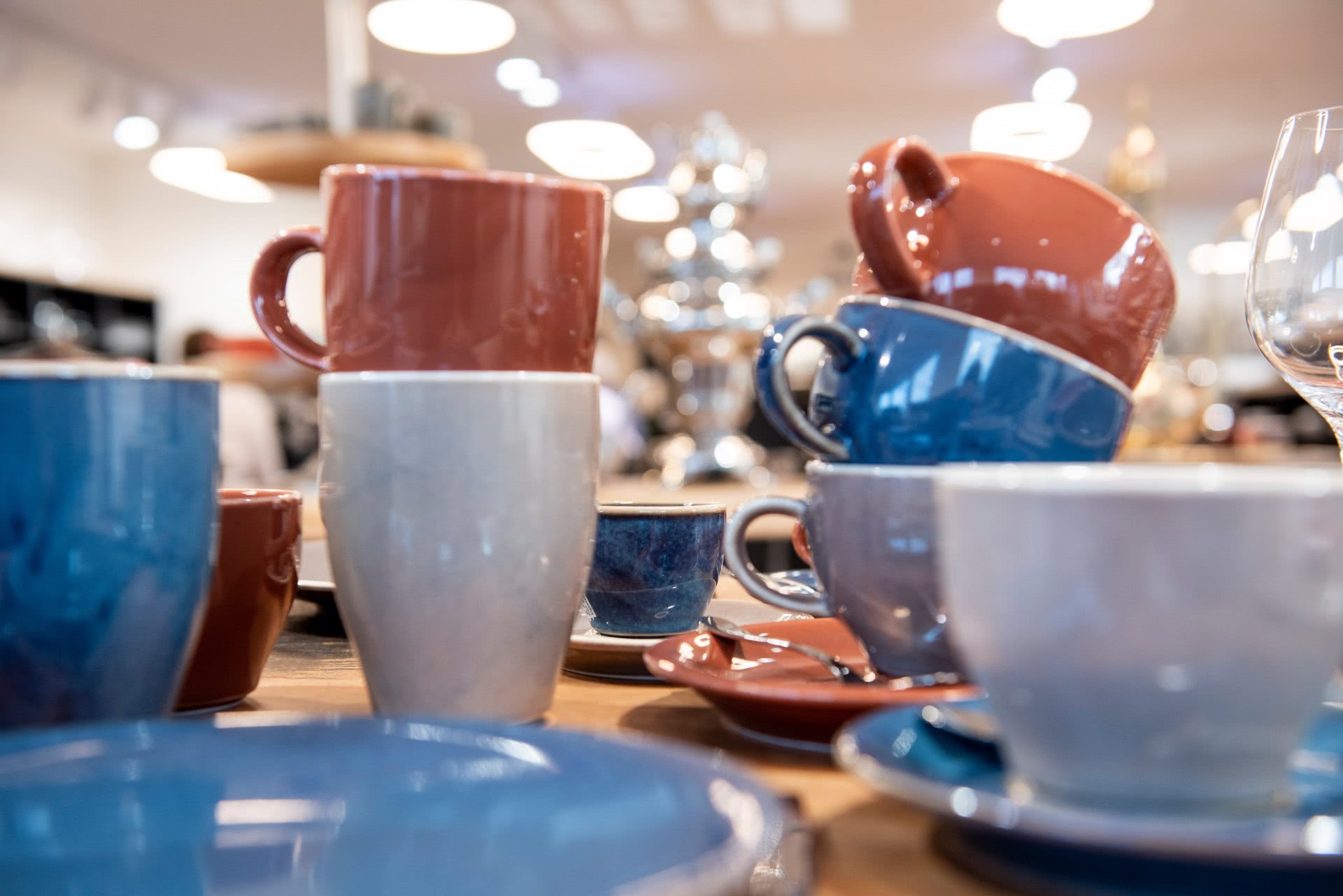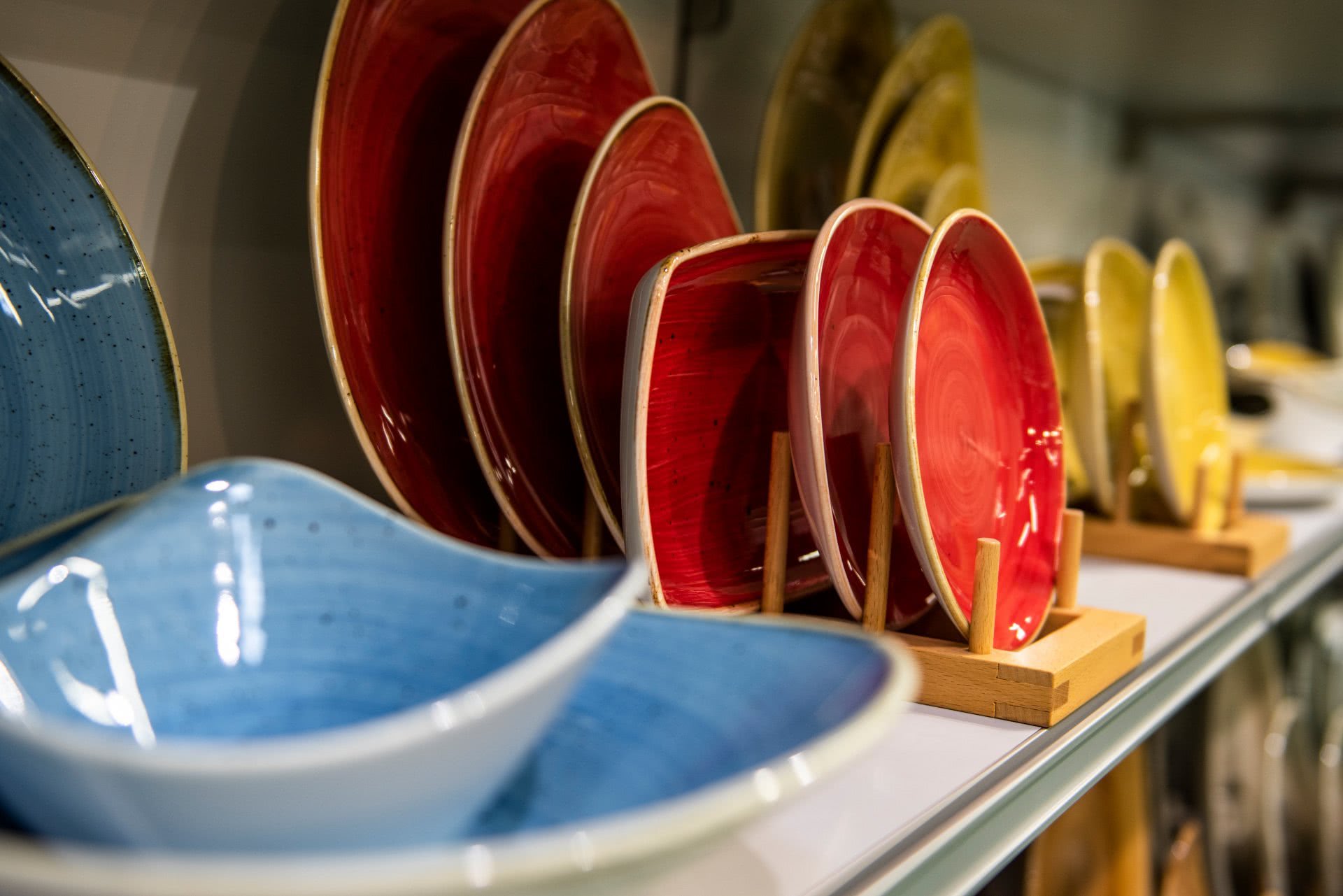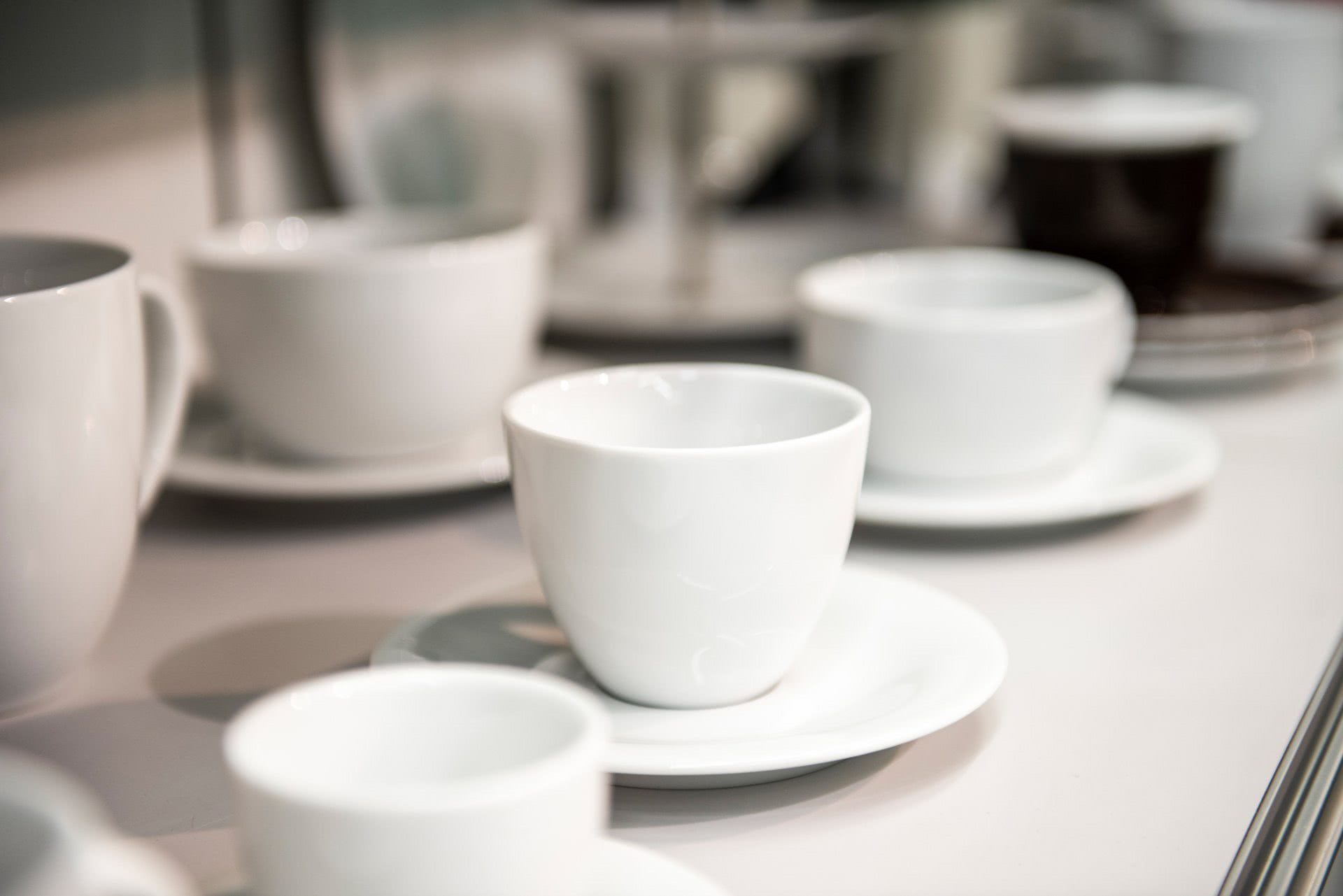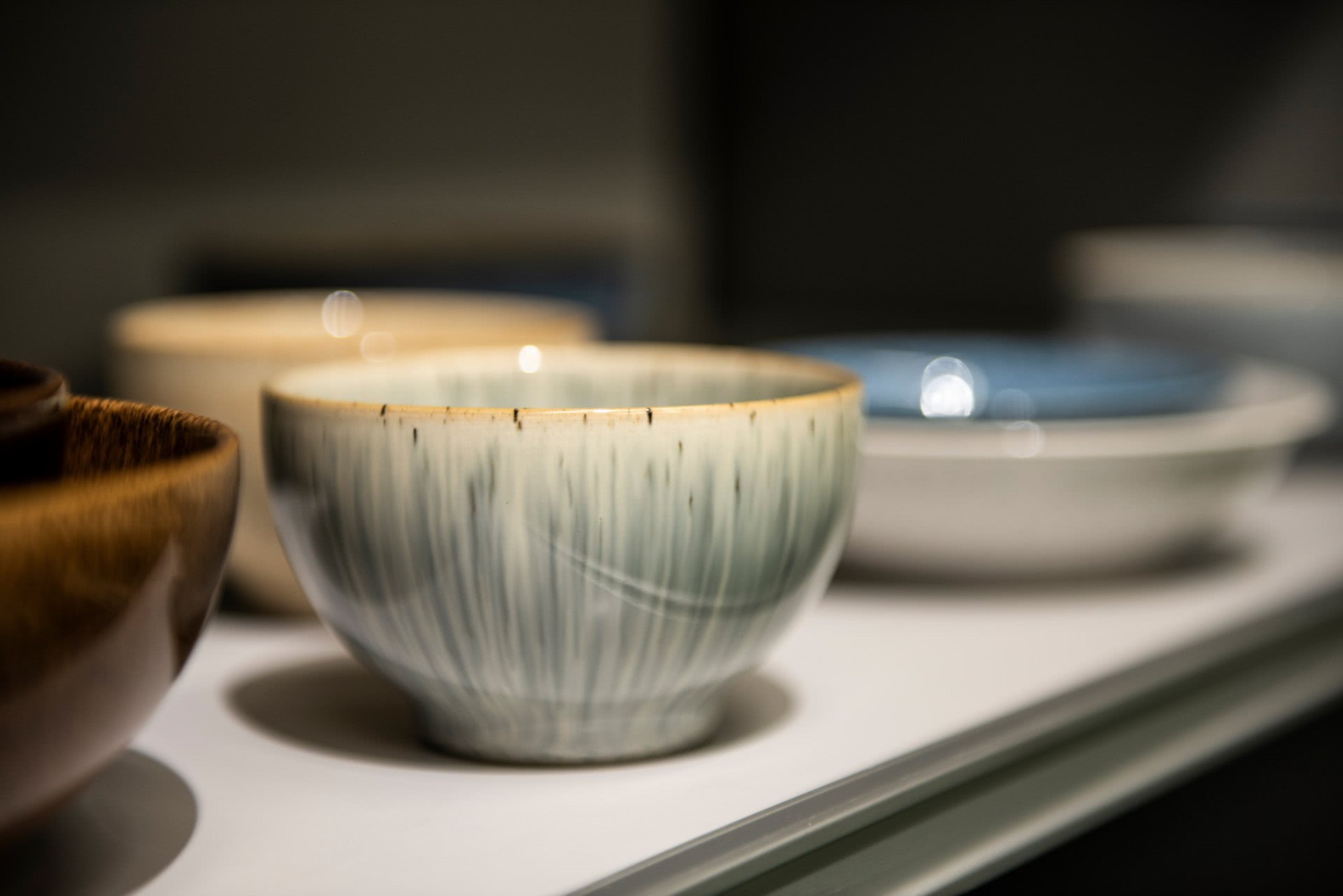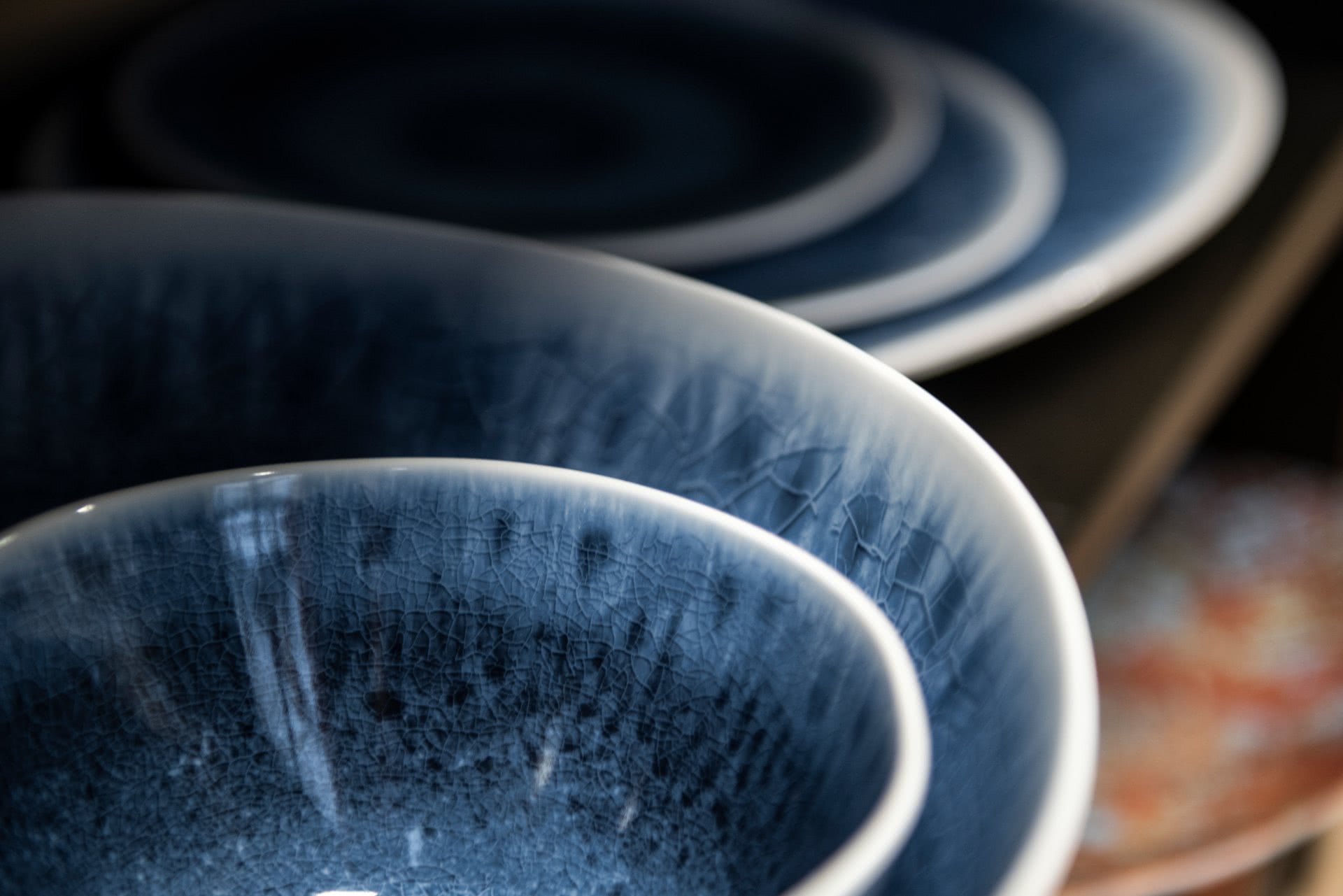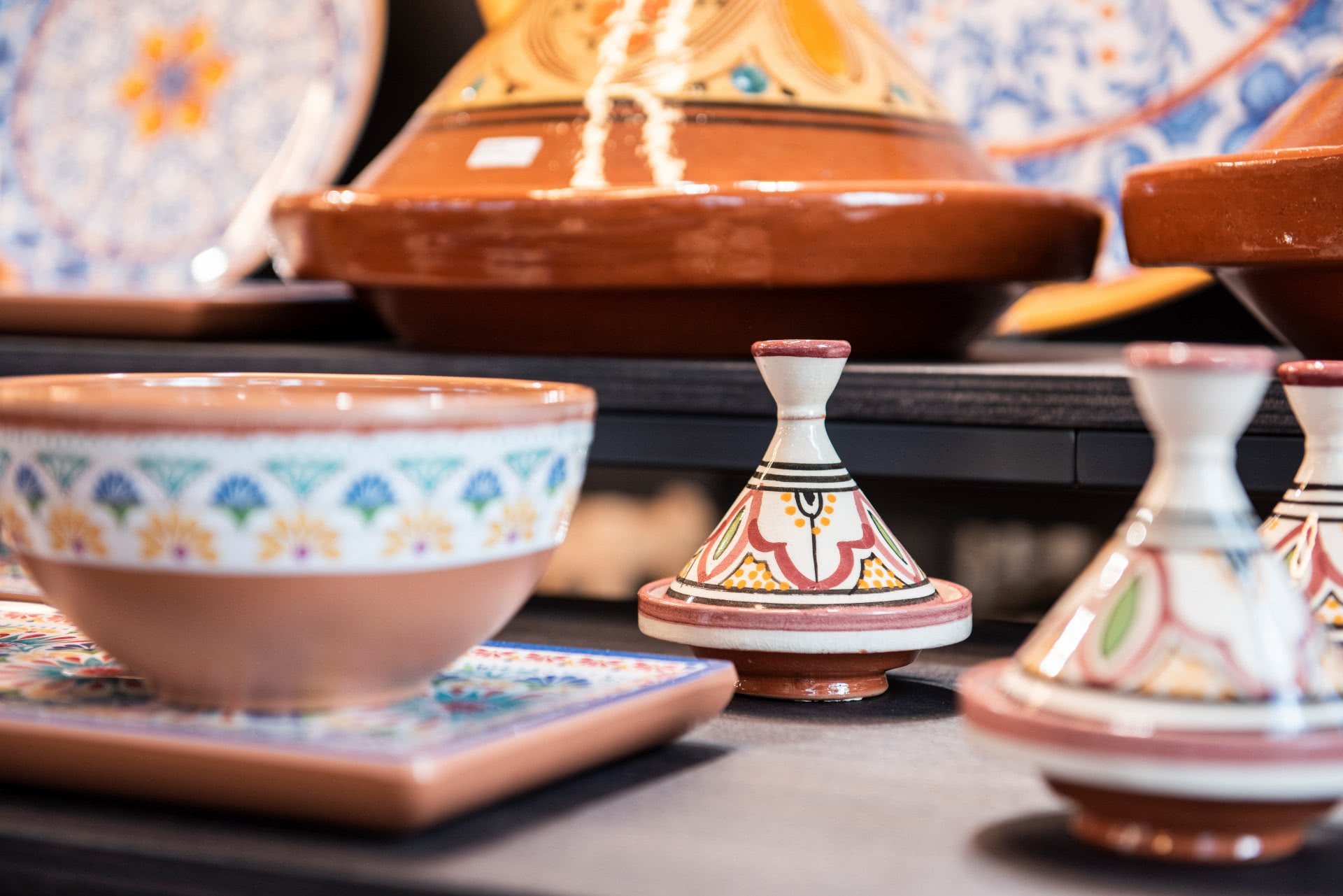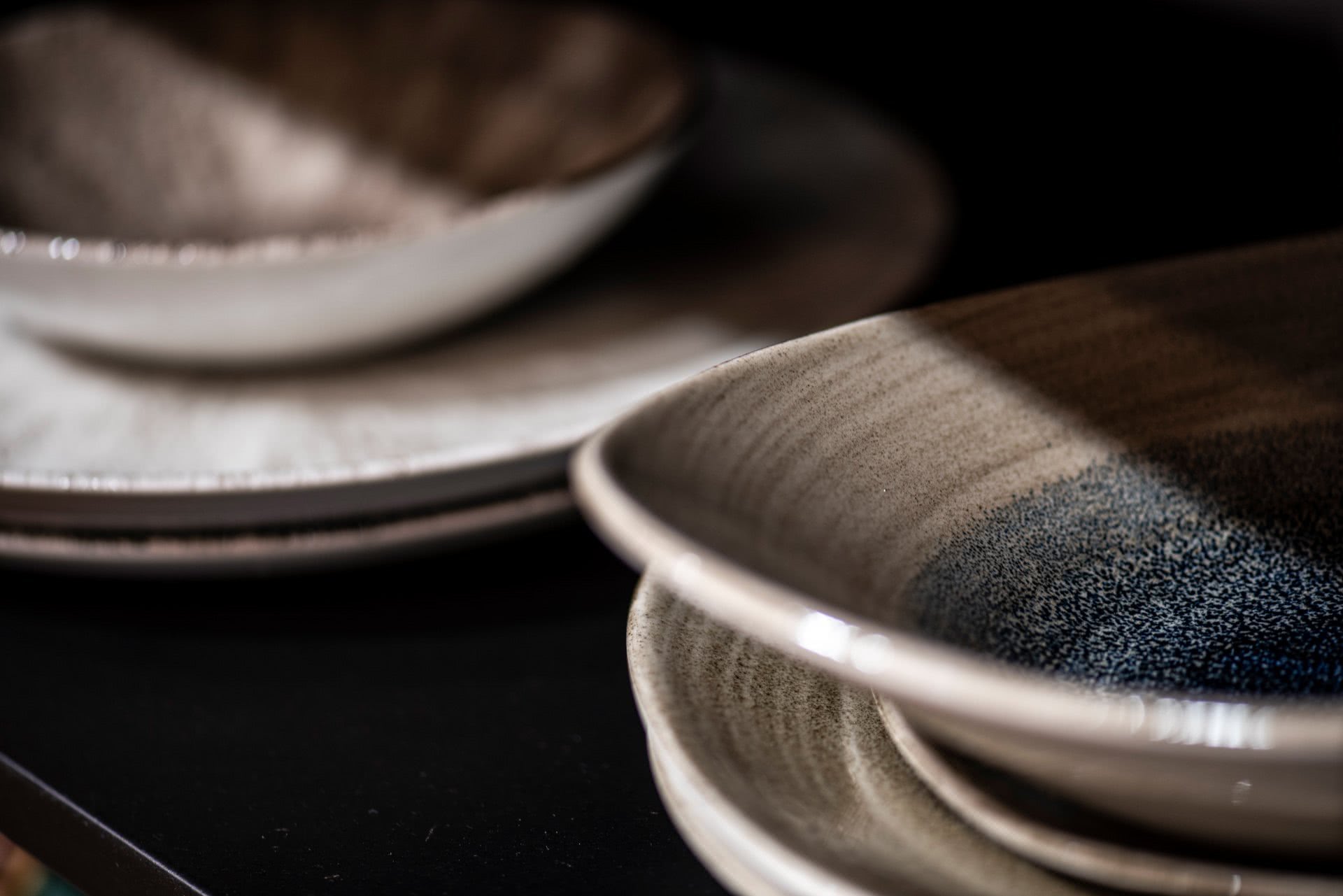

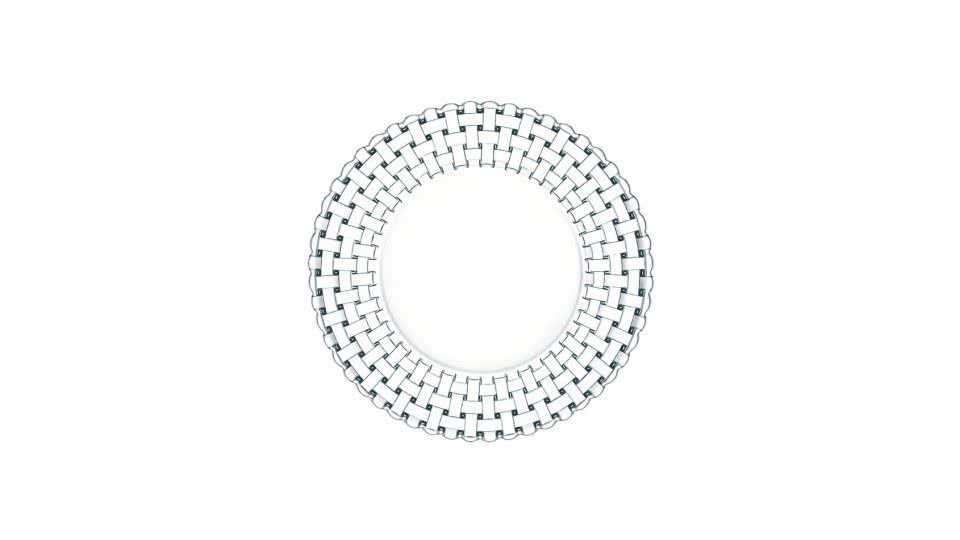
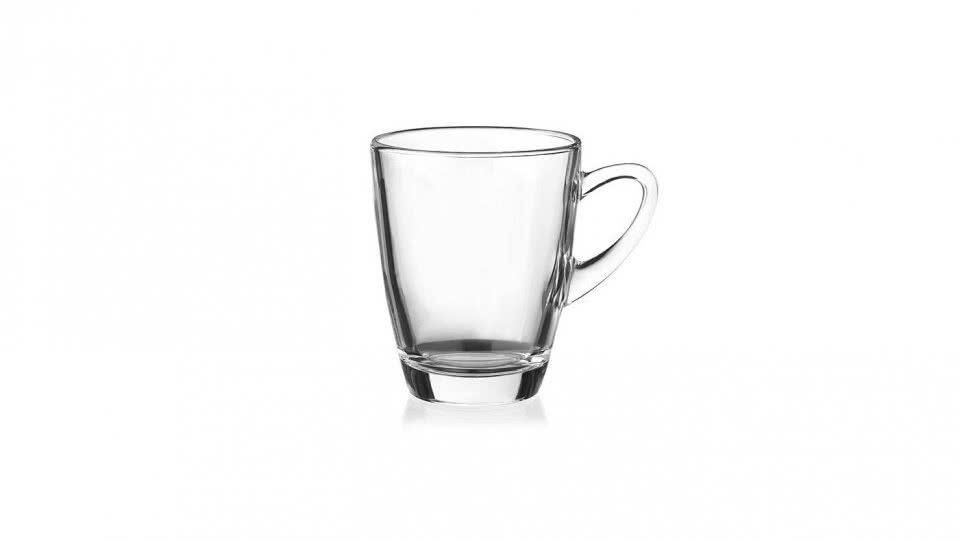
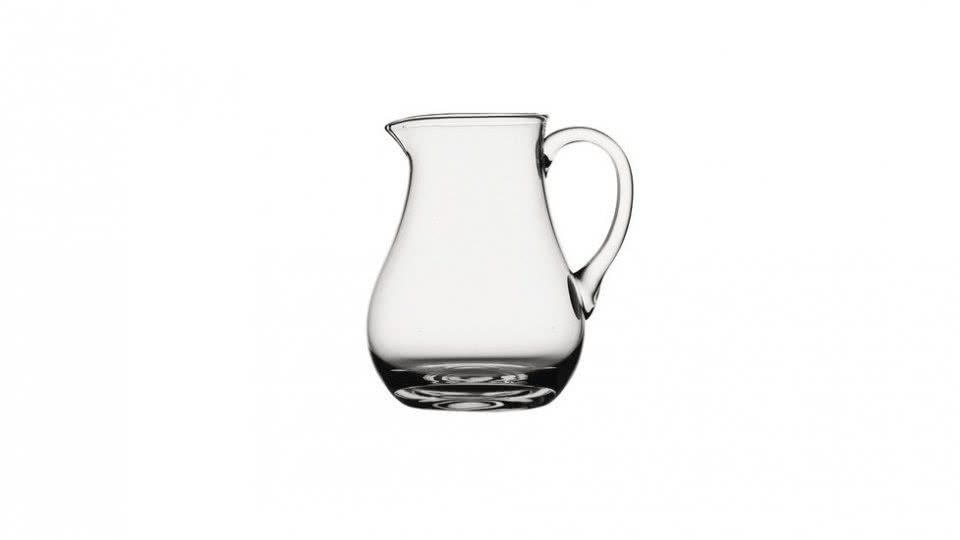


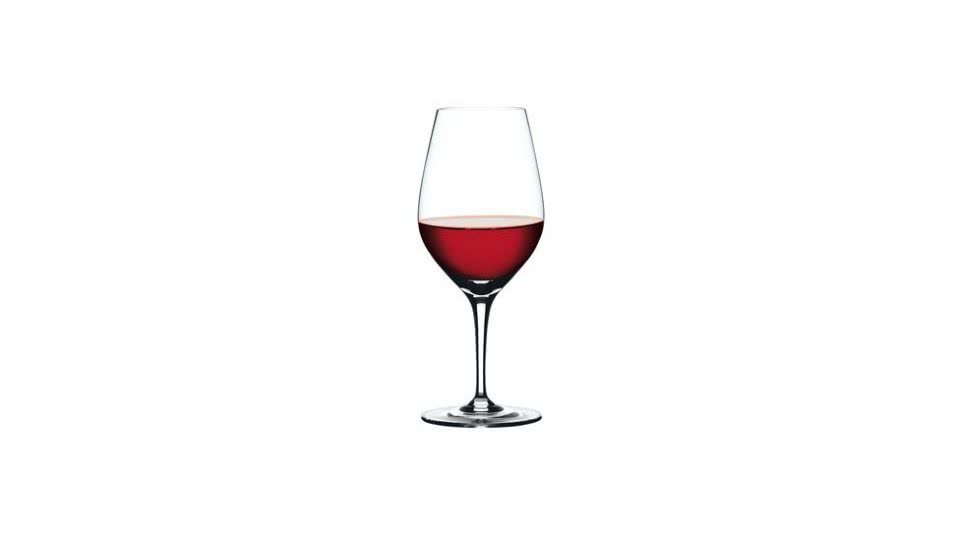
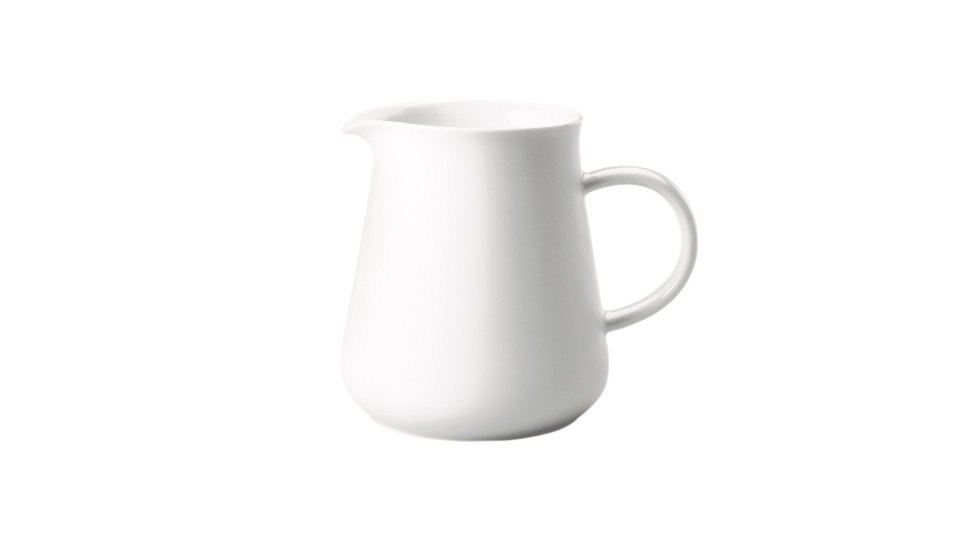
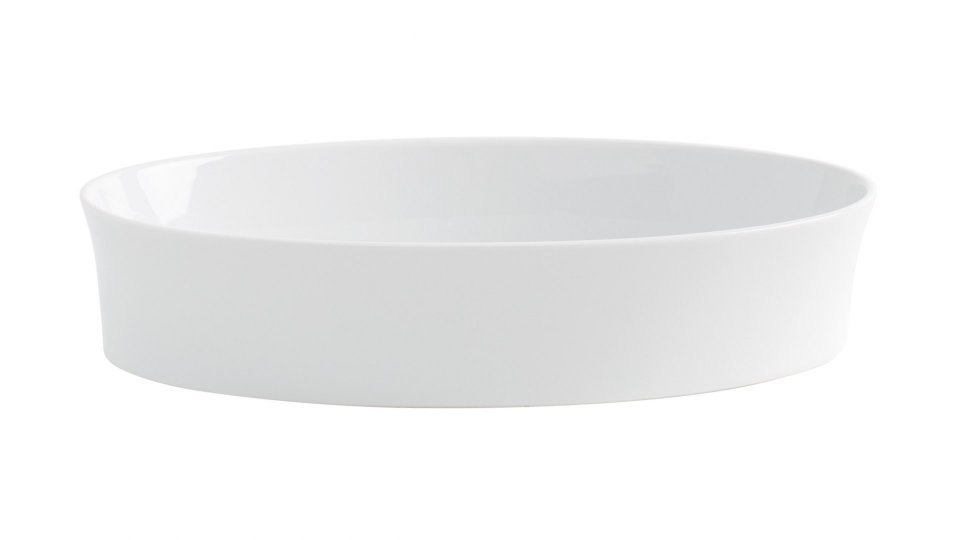
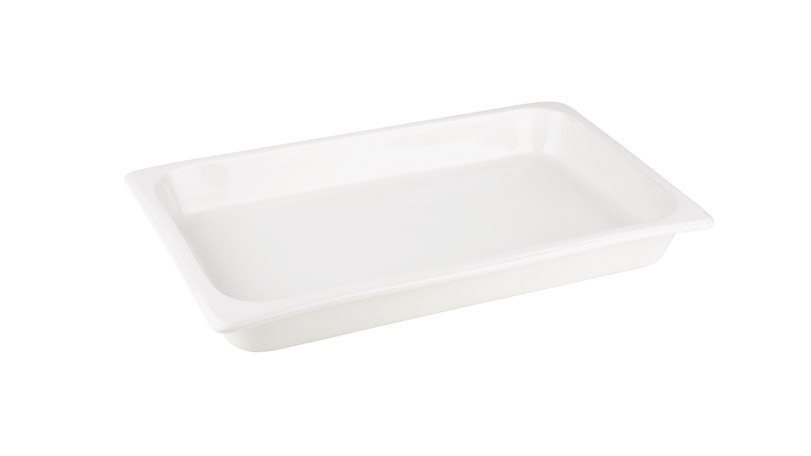
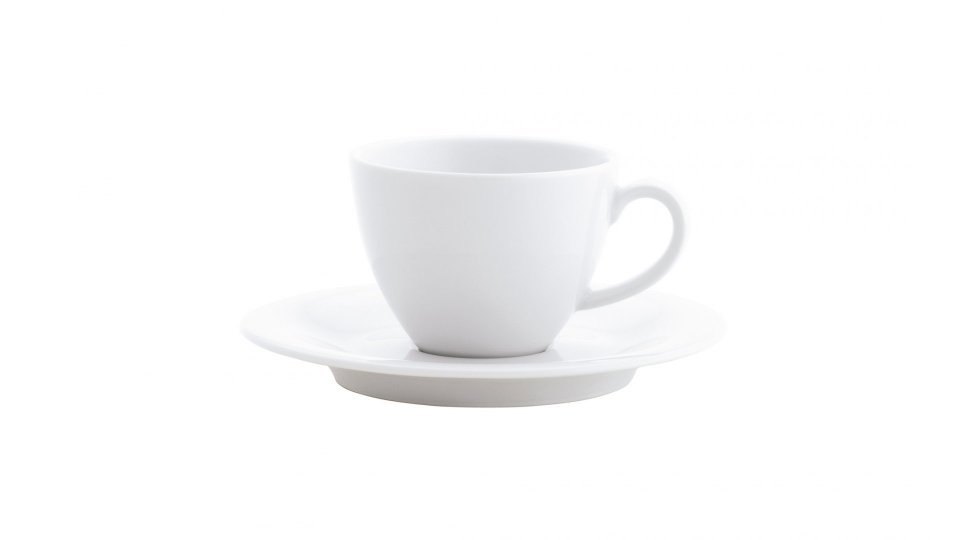










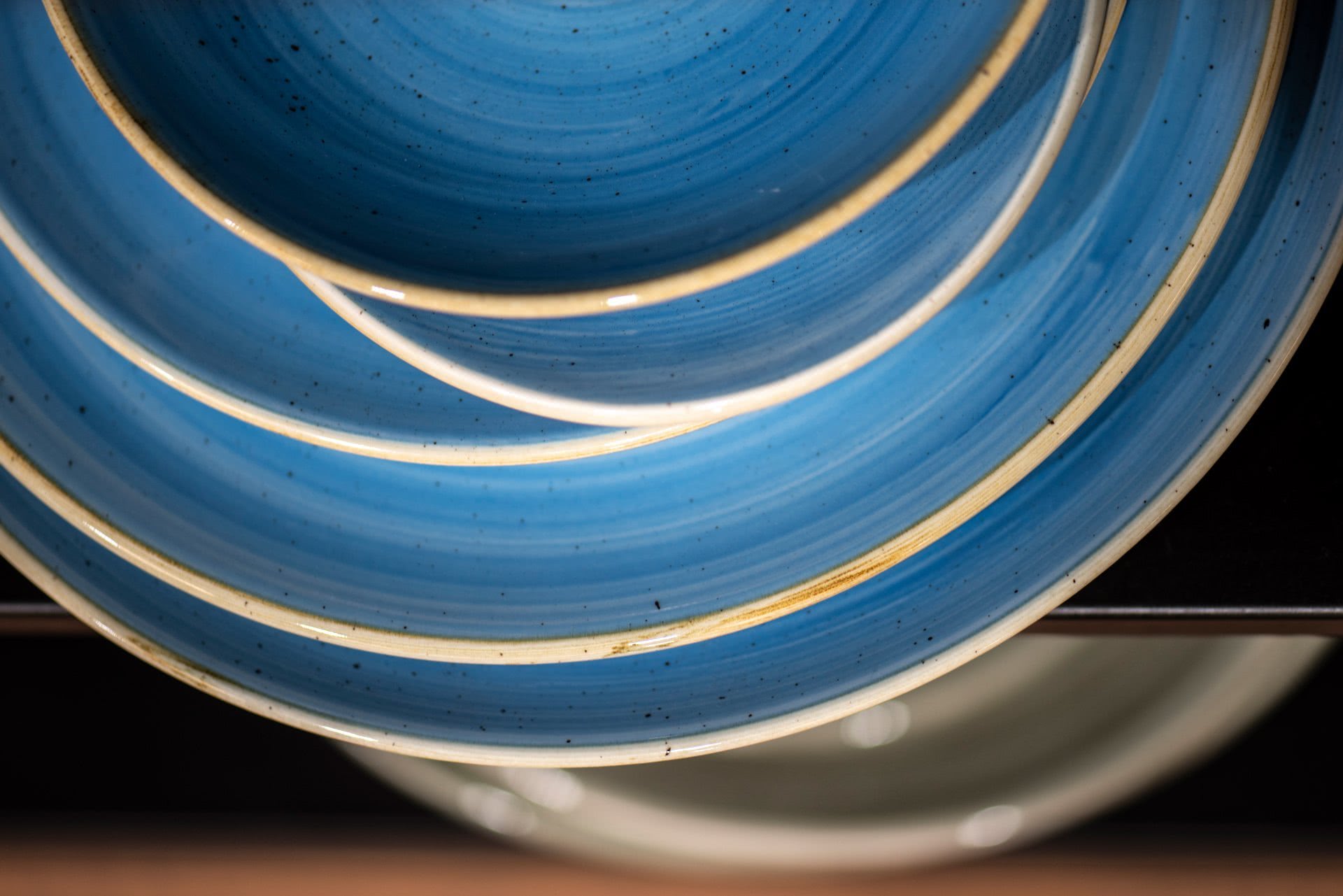
Different production countries, different raw materials, unusual colors and shapes - we have what you need to present your dishes perfectly.
Porcelain stamps
Banholzer carries many of the major porcelain brands in its range - some of which have been around for decades. Is the brand you are looking for not represented? Please contact us and we will be happy to organize the desired items for you.

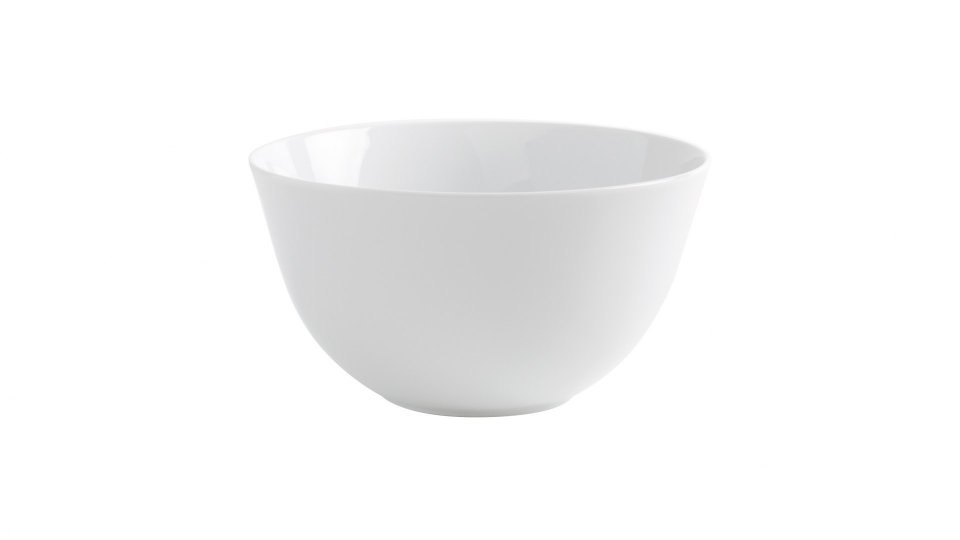
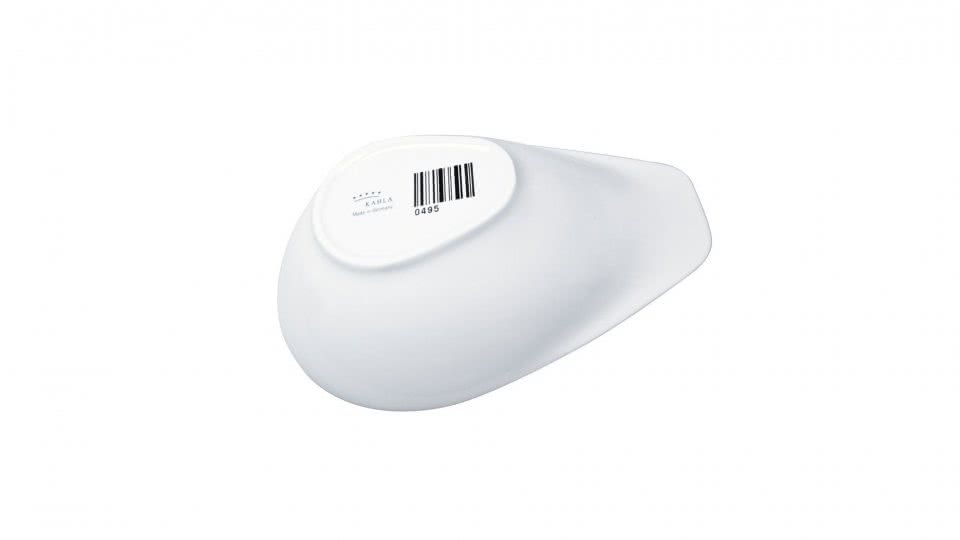
Kahla Porzellan
More than 100 design awards in 25 years - figures that prove the success of Kahla/Thüringen porcelain. The product design constantly impresses expert juries.
Learn more
Churchill
Churchill porcelain has been produced in England since 1795. The pieces are individually hand-painted to create maximum effect.
Learn more
Denby
Handcrafted in England for over 200 years for unique and special pieces. Unique glazes and iconic designs for eternity.
Learn more
Seltmann
Seltmann stands for quality porcelain "Made in Germany". Exceptional design paired with the latest high-tech manufacturing techniques and craftsmanship.
Learn more
Schönwald
SCHÖNWALD - top performance in design, quality and service. The brand has been developing and manufacturing high-quality porcelain in Germany for 130 years.
Learn more
Lunasol Geschirr als designstarker Eyecatcher auf dem gedeckten Tisch
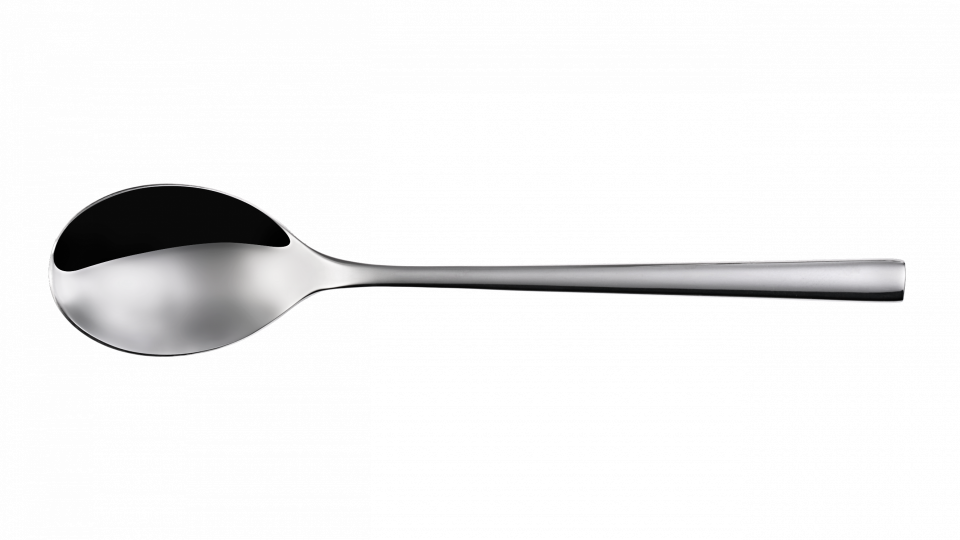
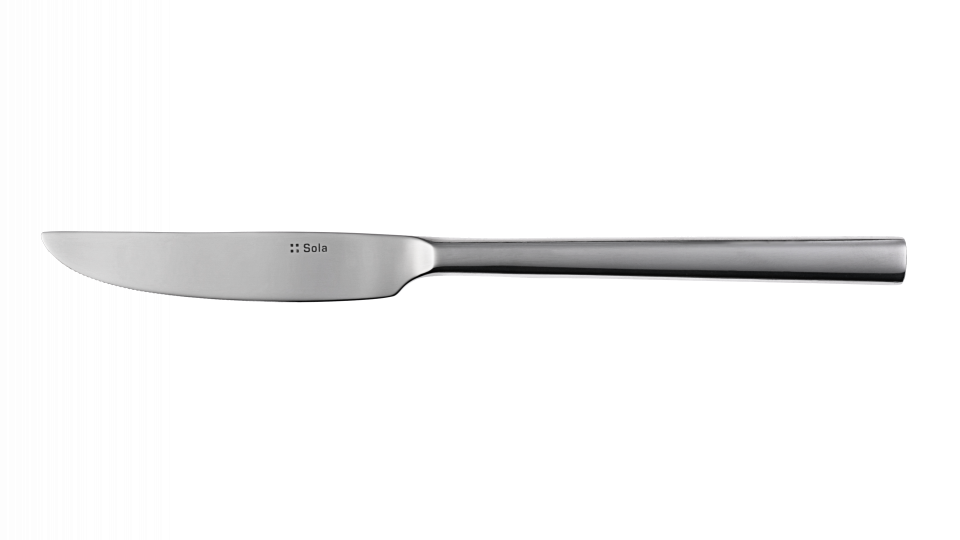
The Sola product line manufactures tableware, pans, pots and knives. Aesthetic shapes and special details in the workmanship characterize the Swiss products.
Learn more
Revol
The French company can look back on over 200 years of history and today stands for stylish, functional, innovative and high-performance products.
Learn more
Vista Alegre
Since it was founded in 1824, the traditional Portuguese company Vista Alegre has stood for high-quality porcelain and glass items of the highest quality.
Learn moreInteresting facts and care tips
Mechanical stress is a common cause of breakage at the rim. For example, during rinsing or handling in general. Occasionally, small cracks in the glaze can also lead to breakage. If you notice increased breakage, our team will help you to find the cause.
Porcelain was developed and used in Western Chinese cultures over a long period between 1122 and 770 BC.
Most small defects occur during glaze firing. Small air bubbles, black spots or even small scratches are part of porcelain to a certain extent. Larger defects are sorted out after firing.
For inglaze decorations, we recommend a minimum quantity of 300 per item. Depending on the design, however, a logo can be used for the coffee and espresso cup, for example. This allows the quantity per item to be reduced.
Inglaze colors or decorations sink into the glaze at a firing temperature of 1200°C. The decoration is completely protected by the glaze and is like white ware.
Tea and coffee can leave unsightly stains on porcelain over time. To remove these stains, you can use baking soda or tooth cleaning tablets: Simply dissolve in hot water and leave to soak overnight
As the surface of the porcelain is harder than the metal of the cutlery, cutlery abrasion may occur. Gray streaks will appear on the glaze. However, these marks can be easily removed with a special cleaning agent for porcelain or a gentle scouring agent.
To prevent limescale stains, make sure you use the right amount of detergent - also to maintain the shine of the porcelain.